The Evolution of Alternative Provision in the UK
From PRUs to a Diverse Support System
Alternative Provision (AP) in the UK has undergone a remarkable transformation. What began as a system largely focused on managing excluded pupils in Pupil Referral Units (PRUs) has developed into a diverse network of support for children facing complex behavioural, medical, or social challenges. Today, AP plays a vital role in the educational landscape, serving thousands of young people every year, something Bonterre is proud to work as a part of.
1944 Education Act: Setting the Early Foundations
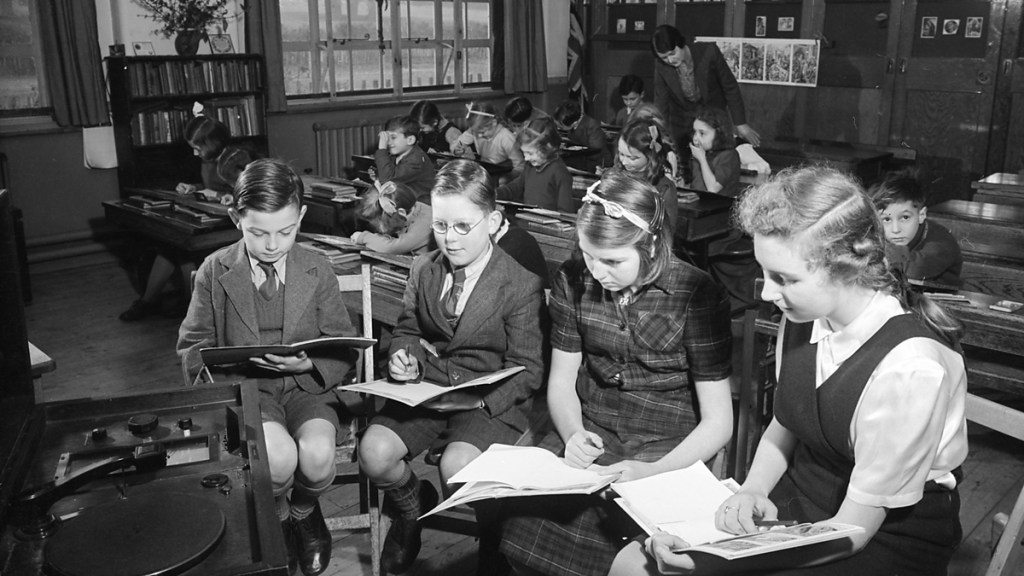
The pathway to modern AP can be traced to an Education Act in 1944, which enabled Local Education Authorities to exclude children considered “detrimental” to others. These broad and often subjective interpretations resulted in many pupils with SEN being funnelled into separate forms of education.
1990s: Formalising Pupil Referral Units
In the 1990s, PRUs were created to support pupils who could not attend mainstream school, often due to exclusion or long-term disengagement. PRUs quickly became the backbone of AP, though their quality and purpose varied widely between local authorities.
2000s: Modernisation and the “Back on Track” Strategy
By the 2000s, concerns about inconsistent PRU standards prompted a push for reform. The 2008 “Back on Track” strategy invested £26.5 million into pilot projects aimed at diversifying provision and raising quality. AP was no longer simply a place for excluded pupils but a potential route to re-engagement and reintegration.
2010s: The Rise of Academies and Free Schools
The Education Act 2011 sparked major structural change. PRUs were permitted to convert into Academies, and AP Free Schools were introduced, opening their doors from 2012 onwards. These new schools operated with increased autonomy and were intended to increase standards for vulnerable students through innovation.
Present Day: A Mixed and Market-Driven System
Today’s AP landscape is a blend of:
- maintained PRUs
- AP Academies
- independent alternative providers
- in-house or part-time provision offered directly by mainstream schools
This system is more flexible and diverse than ever, reflecting the varied needs of pupils who enter AP.
What’s Driving Change?
Rising Exclusions
Even with periods of decline, the mid-2010s saw cases of permanent exclusions grow significantly. Increased academic pressures, funding challenges, and accountability systems have all contributed to more children being referred to AP.
Austerity and Shrinking Support Services
Post-2010 spending cuts significantly cut youth services, early intervention programmes, and mental health support. As these safety nets weakened, AP has often become the default option for struggling young people.
A Growing Focus on Inclusion
There is a modern push to use AP more strategically. Schools increasingly rely on:
- managed moves
- short-term placements
- preventative interventions
- part-time or in-house specialist support
This reflects a broader aspiration: AP should not be a destination but a stepping stone back into sustained, formal education.
Looking Ahead
Alternative Provision continues to evolve. As debates intensify around exclusions, SEND reform, and the responsibilities of mainstream schools, AP remains at the centre of discussions about fairness and inclusion in education. While its history is rooted in exclusion, today’s AP seeks to provide opportunity and stability for some of the nation’s most vulnerable pupils.